

Dog parks are becoming must-have amenities in many community associations, providing safe spaces for dogs to exercise, play, and socialize off-leash. These parks also create gathering spots for pet owners, fostering a sense of community and promoting responsible pet ownership. However, installing a dog park requires careful planning to ensure it benefits both residents and their furry friends. Here are the key factors to consider when creating a dog park in your community.
1. Choosing the Right Location
Selecting an appropriate location is crucial for the park’s success. It should be easily accessible to residents while positioned far enough from homes to minimize noise disturbances. Ideal spaces should:
Be large enough to accommodate separate areas for small and large dogs
Offer natural shade and proper drainage
Be away from busy roads for safety
A well-chosen location ensures comfort and security for both pets and their owners.
2. Smart Design & Functional Layout
A thoughtfully designed dog park enhances the experience for everyone. Key design elements include:
Secure Fencing: Sturdy fencing with double-gated entries prevents dogs from slipping out when entering or leaving.
Safe Surface Materials: Grass, mulch, pea gravel, or artificial turf should be durable, easy to maintain, and comfortable for dogs to run on.
Seating & Shade: Benches, trees, and shade structures provide comfort for dog owners, especially in warm climates.
Water Stations: Easily accessible, regularly maintained water stations keep dogs and owners hydrated.
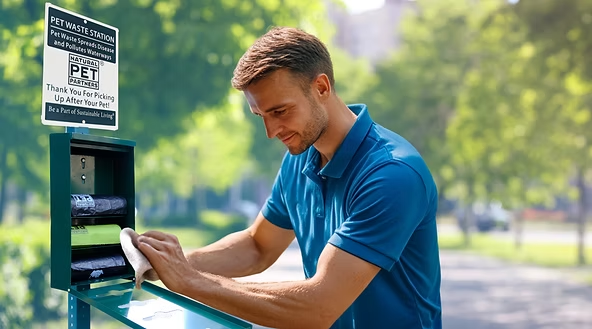
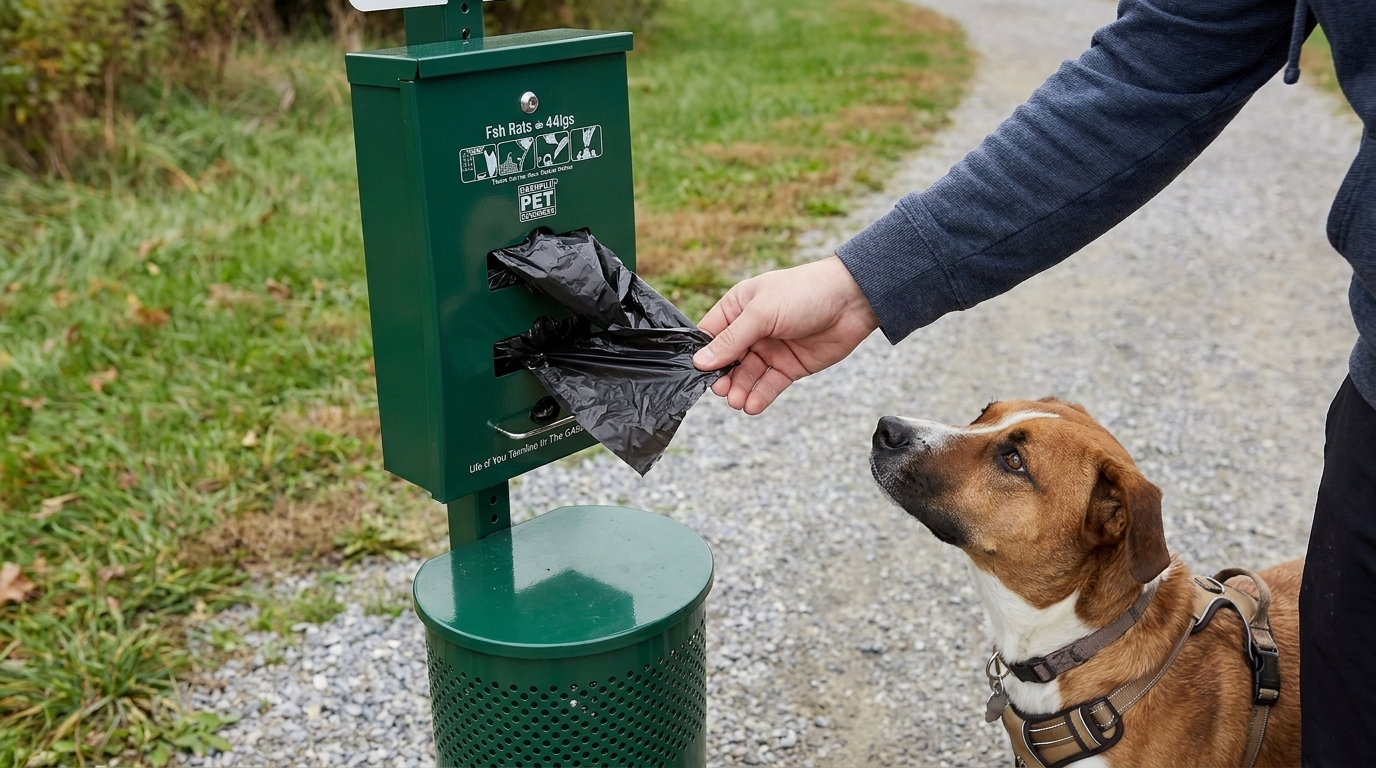
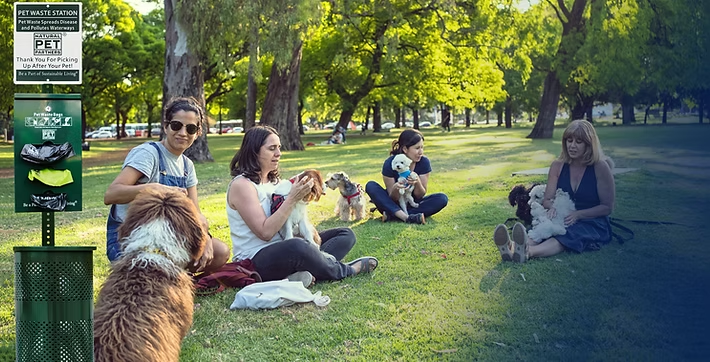
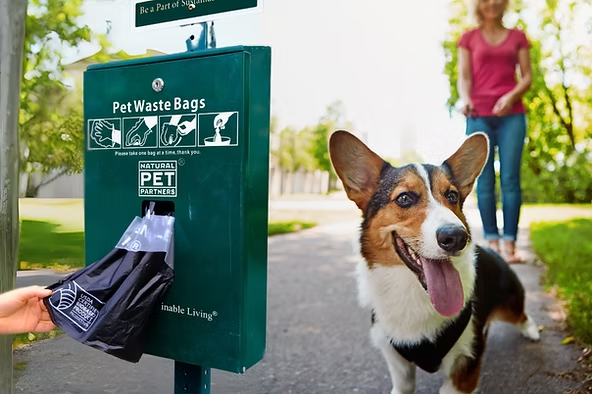
Dog Waste Stations: Strategically placed pet waste stations, including dog waste bags and trash cans, encourage cleanliness and responsible pet ownership. Consider installing an Atlanta pet waste station for high-quality and durable waste disposal solutions.
A well-planned design keeps the park safe, comfortable, and user-friendly.
3. Establishing Clear Rules & Regulations
Clear guidelines help maintain a safe and enjoyable environment. Essential rules should be posted at the entrance and include:
Park hours of operation
Size restrictions for designated areas
Aggressive dog policies
Vaccination and health requirements
Owner responsibilities, such as cleaning up after pets and supervising their dogs at all times
Consider implementing a registration or membership system to ensure all dogs using the park are vaccinated, fostering a sense of accountability among owners.
4. Ongoing Maintenance & Upkeep
A clean, safe park requires regular maintenance. Develop a plan that includes:
Routine waste removal
Regular water station checks and refills
Fencing and equipment inspections
Surface material maintenance
Pruning trees and landscaping upkeep
Partnering with professional dog waste removal services can help keep the park clean and hygienic. Encouraging community involvement through volunteer programs or clean-up events can also help maintain the park while strengthening community bonds.
5. Prioritizing Safety & Health
The well-being of both dogs and owners is paramount. Consider these safety measures:
Health Monitoring: Regularly inspect the park for signs of illness or disease outbreaks.
Behavior Policies: Enforce rules regarding aggressive dogs and provide resources for training and behavior management.
Emergency Protocols: Establish clear procedures for handling injuries or emergencies, including posting contact information for local veterinarians.
A safe park ensures an enjoyable experience for everyone.
6. Engaging the Community
Community engagement is key to a successful dog park. Involve residents in the planning and decision-making process by:
Hosting public meetings
Conducting surveys to gather feedback
Encouraging volunteers to help with maintenance
When residents feel involved, they take greater pride in the space and are more likely to follow park rules and upkeep efforts.
7. Budgeting & Securing Funding
A realistic budget ensures the park's success and longevity. Consider the costs of:
Land acquisition (if necessary)
Construction and fencing
Equipment and waste stations
Ongoing maintenance
Explore funding options such as community fundraisers, sponsorships, grants, and partnerships with local businesses to offset costs and gain community support.
Final Thoughts
A well-planned dog park enhances the quality of life for both pets and their owners while strengthening neighborhood connections. By carefully considering location, design, rules, maintenance, safety, community involvement, and budgeting, community associations can create a thriving dog park that fosters responsible pet ownership and a vibrant, pet-friendly environment. Investing in a dog park isn't just about giving dogs a place to play—it’s about building a happier, healthier community for everyone. For expert dog waste removal solutions and pet waste management, consider professional services like Cops on Doody to keep your dog park clean and safe.

.png)


.png)
.png)

