
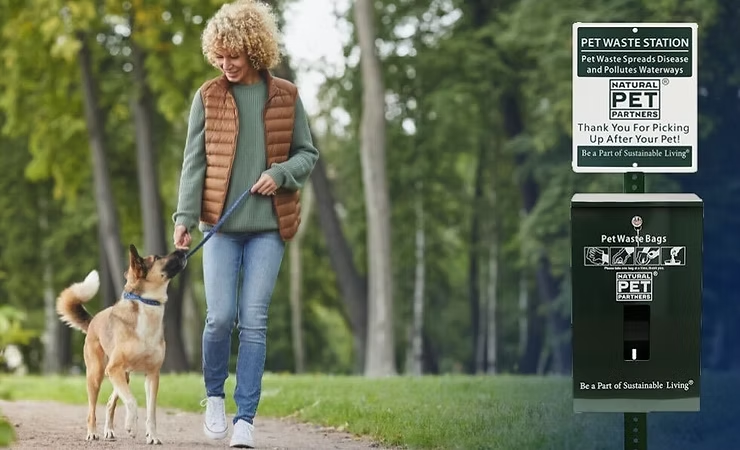
You know that moment after a big rain when a nice walk turns into a careful game of “watch your step”? And then there’s that smell. Not great.
But beyond being unpleasant, it’s actually a real health issue. Just one pile of pet waste can contain millions of bacteria, and when it rains, that stuff does not stay put. It moves fast.
For HOAs and city leaders, this is not something that can be shrugged off anymore. Pet waste management is not just about appearances. It protects shared spaces, helps maintain property values, and keeps residents healthier.
Let’s break down what’s really happening and why communities can’t afford to ignore it.
A lot of people assume rainwater just soaks into the ground and disappears. It doesn’t. Rain runs across sidewalks, trails, and lawns, picking up everything in its path, including pet waste, and heads straight for the nearest storm drain.
And storm drains? They do not go to a treatment plant. They go directly to local creeks, rivers, and bays with no filtering at all.
Pet waste is loaded with bacteria and excess nutrients. One decent rainstorm can wash waste from dozens, or hundreds, of dogs into the same stream where kids play or people fish. That neighborhood creek did not sign up for that.
It may seem harmless sitting in the grass, but pet waste causes real problems.
Dog waste can contain fecal coliform bacteria like E. coli. When rain carries those bacteria into streams and ponds, the water becomes unsafe for people, pets, and wildlife. One contaminated waterway can affect miles of connected ecosystems.
Pet waste contains nitrogen and phosphorus. In water, those nutrients fuel algae growth. Thick algae layers block sunlight and reduce oxygen levels, leading to murky water and fish die offs. Once that cycle starts, it’s tough and expensive to undo.
Low oxygen levels do not just affect fish. Frogs, turtles, birds, and the entire food chain feel it. Over time, you start noticing fewer ducks, fewer herons, and less life overall.
When water is contaminated, everyone is exposed. Kids splashing in creeks, dogs swimming, people fishing, or walking nearby. Bacteria spikes can cause stomach illnesses, skin rashes, and other infections. Ignored pet waste quietly turns shared spaces into health risks.
No one wants to live in a community where dog waste is part of the scenery.
Trails, playgrounds, and sidewalks become obstacle courses, especially after rain. It’s not exactly welcoming for residents or guests.
Emails, board meetings, and social media fill up with frustration. When residents are not happy, retention and property appeal take a hit.
Landscaping crews end up spending time cleaning up messes instead of improving the property.
This goes beyond curb appeal. Rain carries bacteria and nutrients straight into storm drains, and suddenly the creek behind the community is not safe anymore. Federal and local agencies have been clear that pet waste contributes to water pollution.
Plus, no one wants their kid, or their dog, bringing home something nasty from the neighborhood park. Picking up consistently protects shared water, shared spaces, and shared health.
Relying on volunteers, or squeezing cleanup into an already busy maintenance or landscaping schedule, rarely works long term. A professional service changes everything because they focus on one thing, pet waste.
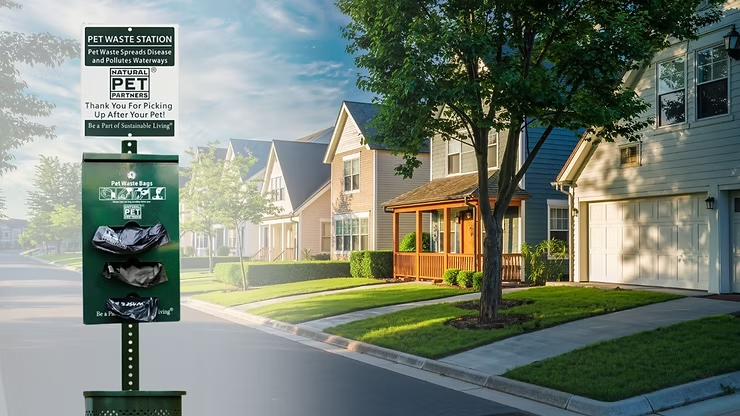
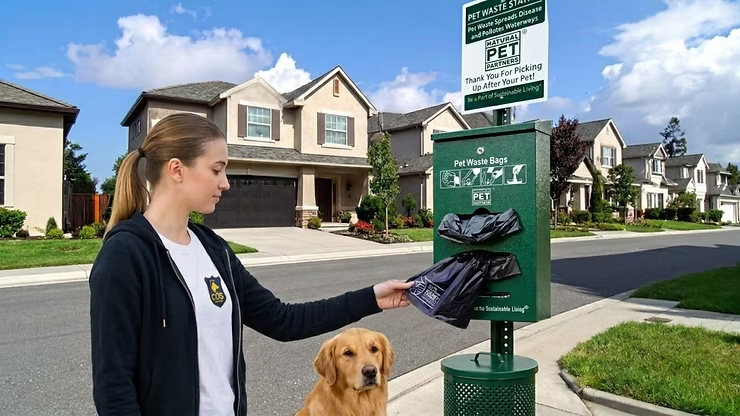
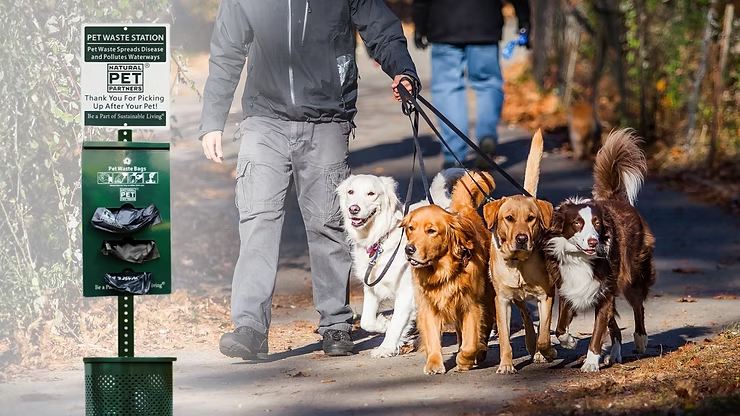
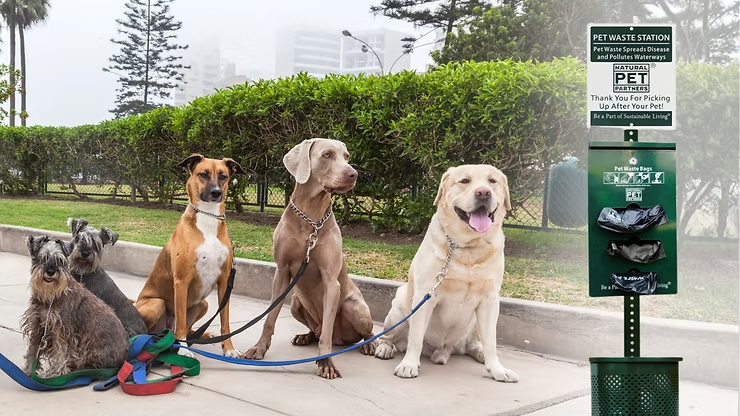
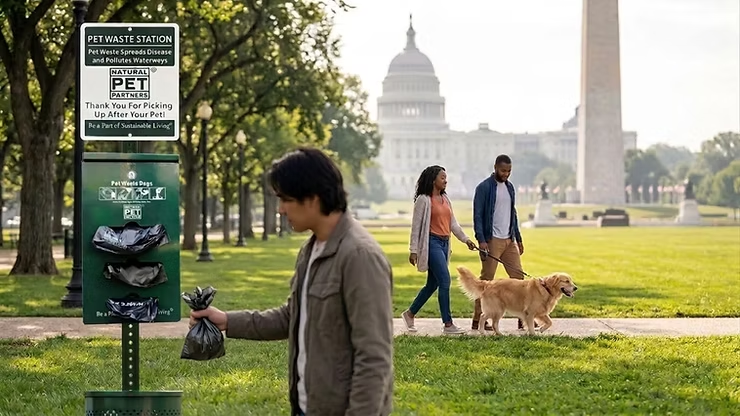
They place stations where people actually use them and keep everything in good repair, functional, and looking good over time.
No more empty dispensers. When bags are always available, compliance goes up and excuses disappear.
They walk the property, find the hotspots, and recommend station placement that makes sense. Smart placement alone can significantly reduce waste in common areas.
If you’re tired of dealing with pet waste complaints, we make this simple. CoPS on Doody specializes exclusively in commercial pet waste management for HOAs, apartment communities, and local governments.
We serve communities in Washington, DC and Atlanta areas, and we do not believe in one size fits all programs. Whether you manage a small HOA or a large multifamily property, we build plans that fit your layout, usage, and budget.
Pet waste may be small, but once rain gets involved, the impact is anything but. Communities that take this seriously end up with cleaner grounds, fewer complaints, healthier waterways, and fewer unpleasant surprises from regulators.
Give us a call for a free quote. Your residents’ health, and your community’s reputation, are worth it.
.png)

.png)
.png)

