
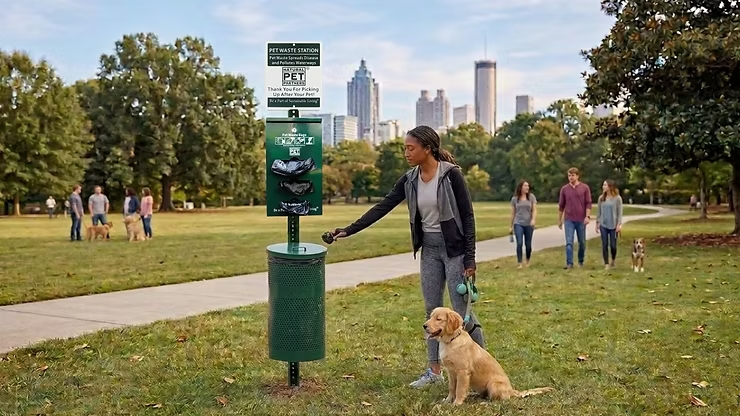
Pet waste stations are one of the most common amenities in dog-friendly communities. Yet many HOAs and property managers still struggle with the same frustrating question:
Why do some stations work perfectly while others seem to be ignored?
The answer usually isn’t the station itself. It’s where it’s placed.
For communities across Atlanta, thoughtful placement is what transforms a simple pet amenity into an effective system that keeps shared spaces clean. When stations are installed strategically, residents use them naturally. When placement is an afterthought, even the best stations can sit unused.
For HOAs and property managers exploring HOA pet waste management solutions in Atlanta, understanding the strategy behind pet waste station placement is one of the most important steps toward a cleaner, more enjoyable community.
Dog owners rarely go out specifically looking for a pet waste station. They encounter one during the natural flow of their walk.
That means stations need to appear exactly where residents need them, not somewhere that seemed convenient during installation.
When a station is placed too far away from walking routes or tucked into low-traffic corners, residents often don’t notice it until it’s already too late to turn back. Even responsible dog owners may end up continuing their walk without using the station.
On the other hand, stations that appear right when a dog owner needs them become part of the walking routine. Bags are grabbed automatically. Waste is disposed of immediately. Cleanup becomes effortless.
Effective HOA pet waste management begins with designing placement around real behavior rather than assumptions.
The goal is simple: make responsible cleanup the easiest option available.
Communities that see the best results typically place stations in locations where dog activity naturally occurs.
Most dog walks follow predictable routes. Stations placed along sidewalks, pathways, and internal walking loops ensure residents encounter them at the right moment.
Many dogs relieve themselves shortly after a walk begins. Placing stations near entry points allows residents to grab a bag before they even start their walk.
Large lawns, landscaped areas, and shared green spaces tend to attract dogs. Stations nearby make cleanup quick and convenient without requiring residents to search for supplies.
If your community has a designated dog park or pet relief area, stations should be placed both inside and around those spaces to handle higher traffic.
Property managers searching for Pet Waste Station Service Fulton County or even typing “Pet Waste Station Service Near Me” are often looking for help not just with servicing, but also with placement planning that actually works.
Even if a station is technically in the right place, it still needs to be easy to see.
Stations hidden behind landscaping, tucked behind buildings, or placed outside natural sightlines are often overlooked.
Effective placement keeps stations:
When a station becomes a visible part of the environment, it quietly reinforces responsible pet ownership.
One of the most common mistakes communities make is assuming that installing more stations automatically solves the problem.
In reality, strategic spacing is more important than sheer numbers.
Stations should be distributed in a way that allows residents to encounter them frequently along walking routes without needing to detour. In larger communities, placing stations every few hundred feet along common paths often creates a consistent, convenient system.
A thoughtfully spaced network of stations encourages responsible behavior because residents know a station will always appear when they need one.
Placement and design work together.
The best pet waste stations are simple, intuitive, and easy to use. Residents should immediately recognize where to grab a bag and where to dispose of waste.
Clear signage encourages cleanup without feeling overly strict. Accessible bag dispensers make grabbing a bag effortless. Waste bins placed directly below the dispenser keep the process quick and hygienic.
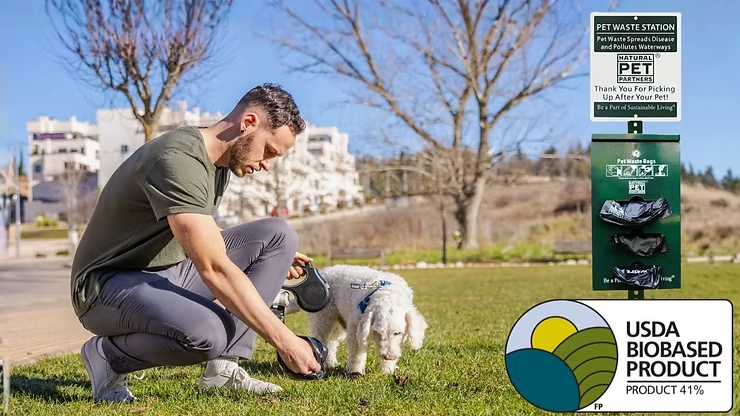
Many communities in Atlanta are also beginning to incorporate USDA biobased pet waste solutions Atlanta programs. Using USDA biobased pet waste solutions allows HOAs to provide plant-based bags that reduce reliance on traditional plastics while still offering durability and convenience for residents.
While placement strategy is critical, many property managers find that implementing and maintaining a reliable system becomes easier with professional support.
Companies like CoPS on Doody provide full-service HOA pet waste management Atlanta communities depend on, helping plan station placement, install equipment, and supply sustainable bags as part of a long-term waste management strategy.
With experienced guidance, communities can ensure stations are placed where they will have the greatest impact while also supporting sustainability goals through USDA biobased pet waste solutions Atlanta programs.
Pet waste stations may look simple, but the strategy behind them is anything but.
When stations are placed along natural walking routes, positioned where residents can easily see them, and spaced thoughtfully throughout the property, they become a seamless part of daily routines.
For HOAs and property managers, understanding the principles behind pet waste station placement is one of the most effective ways to improve HOA pet waste management and maintain clean, welcoming outdoor spaces.
Because in the end, successful pet waste management doesn’t start with the station itself.
It starts with putting it exactly where it belongs.
Call us today for a free quotation. Your residents’ health is worth it!
CoPS on Doody keeps communities clean across Northern Virginia, Washington, DC, and suburban Maryland. We provide full-service pet waste management, including fall inspections, station repairs, and common-area cleanups — with USDA-certified 41% bio-based bags and liners included in our service price. You can order our bags through our sister company, Foresight USA at www.foresightusa.com
© CoPS on Doody 2026


.png)




.png)
.png)

