Imagine walking through a vibrant Atlanta neighborhood where pets and people coexist seamlessly. Dogs are playing safely in parks, residents stroll along clean trails, and pet owners happily pick up after their furry friends. It sounds ideal but creating a truly pet-friendly city takes more than good intentions. It requires strategy, smart infrastructure, and sustainable practices.
Local governments in Atlanta are increasingly recognizing the importance of HOA pet waste management and eco-conscious solutions like USDA biobased pet waste solutions to create healthier, cleaner, and more enjoyable public spaces. Here’s a closer look at best practices for making your city truly pet-friendly and why it matters more than ever.
A pet-friendly city isn’t just about dog parks or pet-friendly restaurants. It’s about safety, health, environmental stewardship, and community satisfaction. When pets are welcome and pet waste is managed properly, cities see:
For city planners, it’s a win-win: happier citizens, safer parks, and stronger community cohesion.
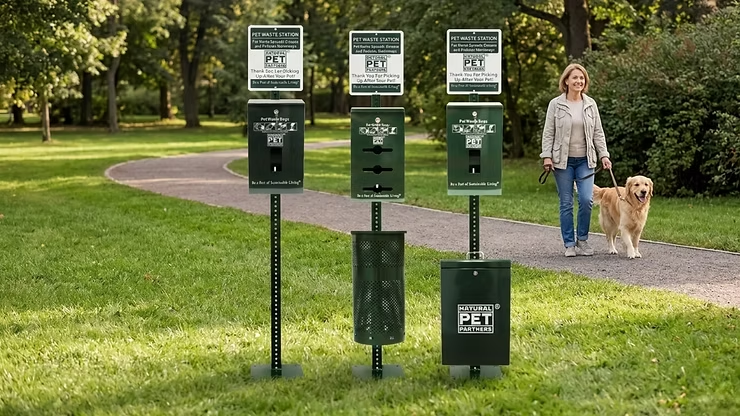
One of the biggest challenges in creating a pet-friendly city is managing waste effectively. Overflowing bins or unmonitored areas can quickly turn an otherwise beautiful park into a nuisance. Professional HOA pet waste management programs and Pet Waste Station Service solutions provide a structured, efficient way to handle this ongoing challenge.
Key components include:
With a professional system in place, local government staff can focus on other priorities while residents enjoy cleaner, safer parks and public areas.
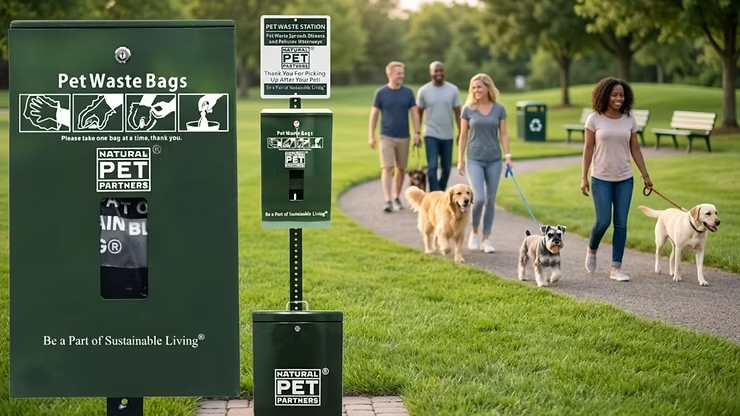
Modern cities are increasingly expected to meet environmental standards while managing public services efficiently. That’s why many Atlanta municipalities are turning to pet waste stations supplied with USDA biobased pet waste solutions.
These stations, stocked with USDA biobased bags and liners:
By installing pet waste stations with USDA biobased supplies, cities improve daily park operations while sending a clear message that public health, pet safety, and environmental responsibility all go hand in hand.
A pet-friendly city goes beyond waste management. Urban planners and local governments should consider:
Thoughtful design reduces conflicts between pet owners and non-pet owners and encourages responsible, community-minded behavior.
Even the best systems require active community participation. Local governments can foster engagement through:
Active participation not only keeps the city cleaner but also builds pride and responsibility among residents.
Creating a pet-friendly city in Atlanta is not just a matter of adding dog parks or posting signs. It requires a comprehensive strategy: implementing HOA pet waste management, leveraging Pet Waste Station Service, and incorporating USDA biobased pet waste solutions to ensure cleanliness, sustainability, and safety.
When executed correctly, these measures reduce complaints, foster community pride, protect the environment, and make cities more livable for everyone.
For Atlanta local governments, the opportunity is clear: invest in smarter systems and partnerships today to enjoy cleaner, safer, and more vibrant public spaces tomorrow.
CoPS on Doody keeps communities clean across Northern Virginia, Washington, DC, and suburban Maryland. We provide full-service pet waste management, including fall inspections, station repairs, and common-area cleanups — with USDA-certified 41% bio-based bags and liners included in our service price. You can order our bags through our sister company, Foresight USA at www.foresightusa.com
© CoPS on Doody 2026


.png)
.png)
.png)

